PSIQUE.SPACEPSIQUE.SPACE
A social lab for the future

A social lab for the future

Art · Clinical psychology · Science · Technology

PSIQUE.SPACE

It is an art and clinical psychology laboratory designed to face the challenges of the contemporary world, which is changing at breakneck speed and threatening social ways of life. It is a space for experimentation, strengthening, support and subjective care, through the use of multidisciplinary techniques and instruments.

Climate Emergency

Exponential Technological Advancement

Human expansion to new territories (Ocean, Outer Space)

Through the fusion of fields such as social psychology, science fiction, art, science and technology, we seek to explore these themes and find creative solutions to generate community participation, adaptation and climate mitigation, as well as build new collective imaginaries about the near future.

Full institutional presentation

PSIQUE.SPACE is a program that emerged from the collaboration of two Latin American clinical psychologists, Fabiane M. Borges and Marcela Chao, who work in the fields of mental health and the environment through the intersection of art and science, with projects developed in the field of space and oceanic culture.

PSIQUE.SPACE offers a new perspective on psychology and mental health in a world prone to chaos.

We identify three highly challenging factors for contemporary subjectivity, which serve as conditioning sources of psychosocial illness. These factors trigger relentless feelings of helplessness, distress, depression, anxiety, sadness, insomnia, emotional fatigue, memory loss, depersonalization, and derealization. They can also manifest through mechanical behaviors (zombification), cognitive distortions (psychopathology), and emotional alienation (fanaticism or suicide). The three factors are:

The exponential advancement of technology brings with it the structural instability of human work, gradually replaced by robotic work. This change leads to hyper-surveillance and digital control due to excessive exposure to robots and artificial intelligence. These elements create reality bubbles that confine the human experience to specialized niches of knowledge and information. Additionally, there is a sense of fear associated with the exponential growth of the arms industry. Other consequences include the loss or deterioration of mental and digital memory due to information overload and the commodification of memories by technology companies. Self-exploitation occurs in both work and life expectations, along with a pervasive sense of perpetual dissatisfaction imposed by social media.

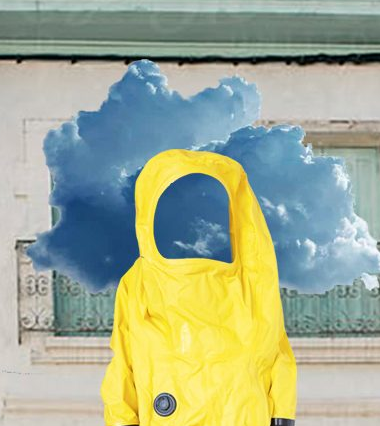
The climate emergency that brings with it the threat to terrestrial biodiversity, the risk of human extinction, and the end of the world as we know it. Specifically, this crisis has become increasingly pronounced through local issues such as droughts, floods, extreme heat or cold, climate deregulation, water and food shortages in previously abundant regions, territorial destruction, forced migration, and ocean deterioration. These challenges trigger negative emotions, including a sense of hopelessness, nihilism, desperate concerns about self-preservation and the state of the world, uncertainty about how to act or join groups dedicated to seeking better collective futures, and even denial. These factors can lead to various degrees of psychological distress.

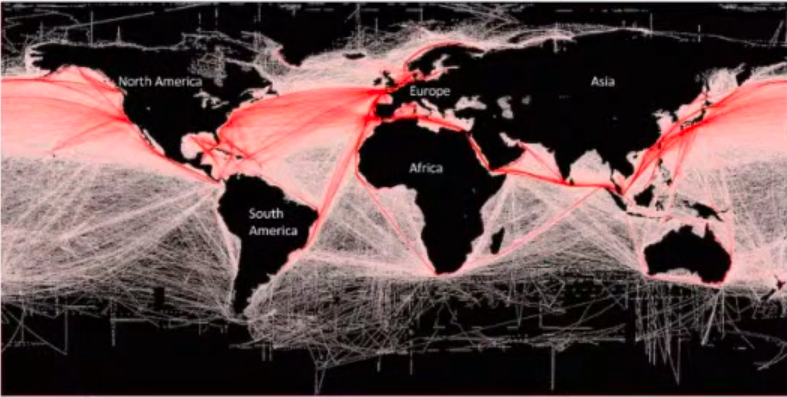
Human expansion into new territories such as the ocean and space challenges us to think beyond Earth. There is a growing interest in maritime exploration today. In 2021, the United Nations declared the Decade of Ocean Science for Sustainable Development. Science is called upon to conduct experiments and laboratory research to make this transformation sustainable, preserving biodiversity and protecting marine ecosystems. This expansion has parallels in space exploration, where the Moon, asteroids, and Mars represent new frontiers for humanity. These endeavors also seek to develop more sustainable techniques, not only for exploration but also to sustain life on Earth. Consequently, both national and private space programs are making substantial investments in this field. What happens in the ocean extends to outer space in a similar manner. Because we consider ourselves a species capable of living beyond our earthly cradle, we must understand our fundamental needs and find solutions for our survival, encompassing physical, mental, and social aspects. Studies in the fields of oceanic and space exploration have emphasized the importance of addressing human psychological well-being.

Through a series of exercises and future projections, considering the limitations we will face in the ocean and beyond our planet, we can speculate and create frameworks of thought to help us navigate this new reality. This involves updating past imaginaries and promoting new possibilities for the future in a creative and determined manner. This perspective contributes to our understanding of ourselves from various temporal, terrestrial, maritime, and spatial scales. Psique.space is a place of reflection that offers tools to enhance our relationship with a fast-paced and ever-changing present. Our workshops, courses, and guidance are designed to alleviate distress and uncertainty while deepening our understanding of our place in the cosmos.

OUR GOALS

To analyze and counteract the psychological and sociocultural impacts stemming from the rapid advancement of technology, including the progressive replacement of human jobs by automation, digital control, and the commercialization of memory, as well as self-exploitation and social dissatisfaction fostered by social media.

To address the threats and psychological repercussions generated by the global climate emergency, ranging from local natural disasters to existential distress caused by the loss of biodiversity, forced migration, and widespread uncertainty about the collective future.

To foster exploration and sustainable expansion into new territories, such as the oceans and outer space, with a focus on preserving biodiversity and promoting human well-being, acknowledging the need to address the psychological challenges inherent in these exploratory initiatives.
Our mission

Our mission is to create psychosocial and psychoaffective health alternatives that help us to navigate the uncertainties of the present, through innovative artistic proposals related to the different imaginaries of the future.

Therapies & collective processes

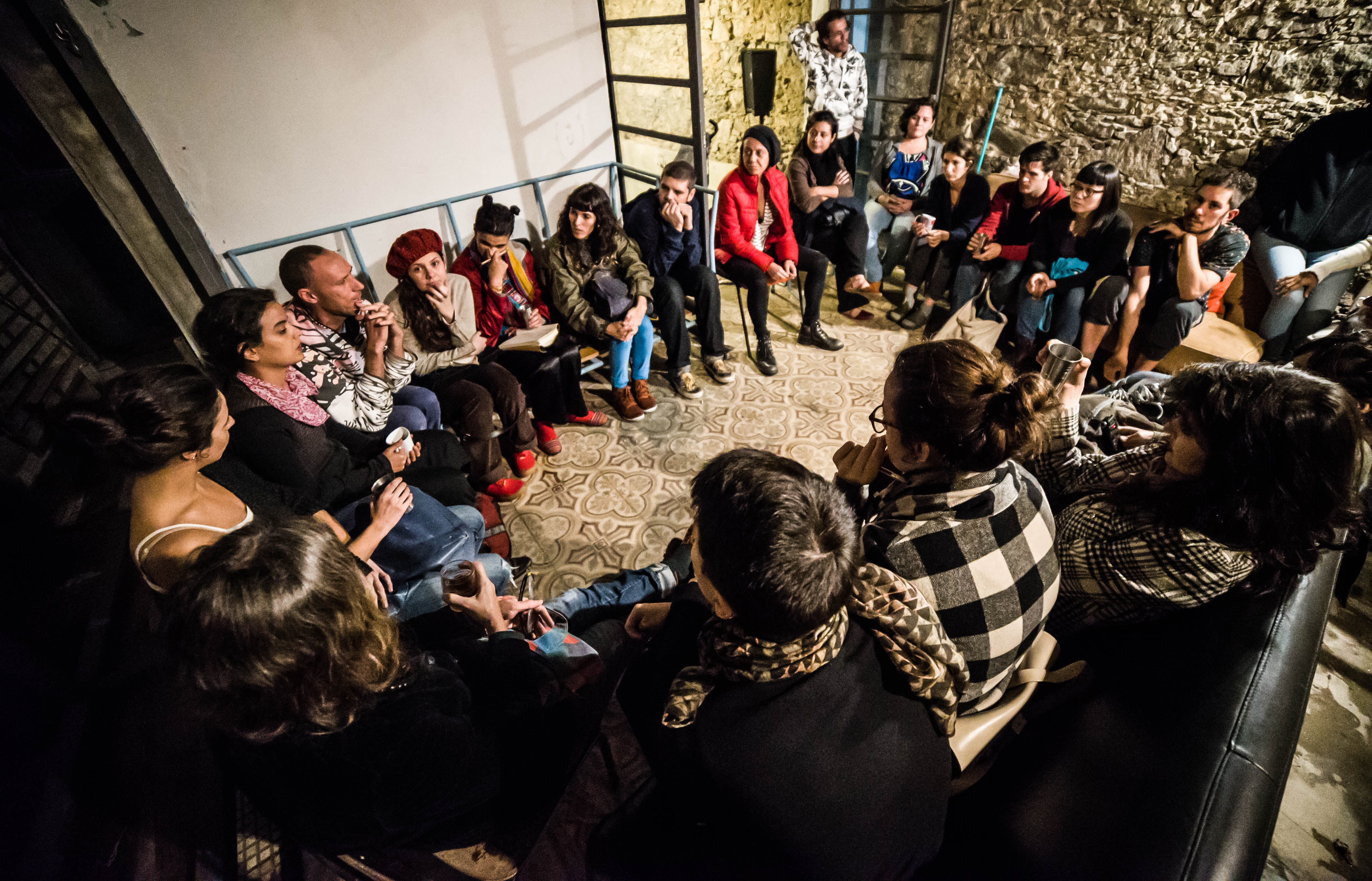
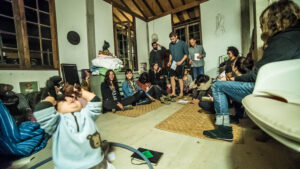
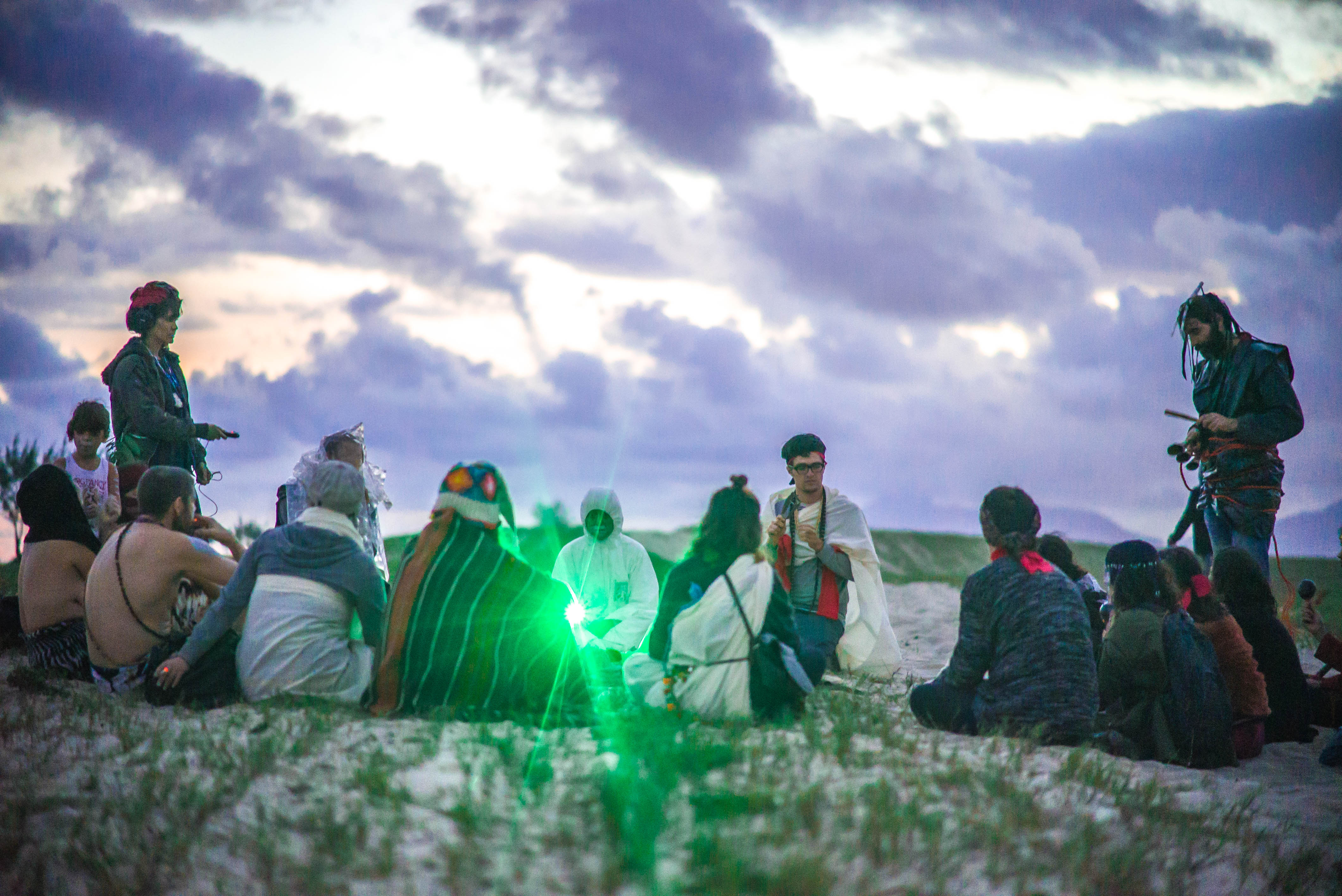
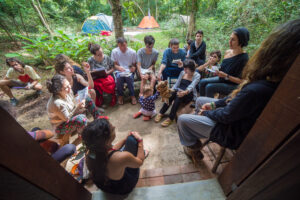
It is a place for thinking, elaboration, individual and group analysis, immersions and construction of possible futures, in a world permanently in crisis. It offers tools to enhance our relationship with a rapidly changing and dizzying present. Our workshops, courses and guidance are designed to alleviate distress and uncertainty while deepening our comprehension of our place in the cosmos.

  • Provide comprehensive psychological support in nurturing environments to address contemporary psychological challenges, including emotional crises.
  • Explore and evaluate the societal, cultural, and environmental impacts of modern technologies while addressing concerns related to climate emergencies.
  • Establish creative spaces that foster critical thinking, imaginative exploration, and multidisciplinary collaboration to envision and shape more positive and desirable futures, particularly within the Latin and South American context.

Methodologies

Hijacked Futures x Antihijacked Dreams

Read the publication

Methodologies

Watch the video

Latin American Cosmic Sounds

Listen to the album

Tools

To fulfill our mission we use multidisciplinary tools from different bases such as: Clinical Psychology & Social Psychology, Epigenetics Psychiatry, Space Culture & Ocean Culture, Art Science & Art technology, experimental games and creative practices.

Psychology (clinical, social, environmental, and spatial): Online individual and group therapy sessions supplemented by specific in-person meetings in various Latin American cities, fostering self-awareness, subjective empowerment, and the development of new lifestyles.

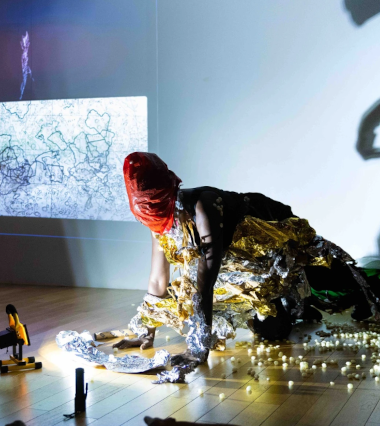
Contemporary Art (art-science-technology): Virtual and in-person gatherings aimed at integrating diverse knowledge from the realms of art, science, and technology, promoting interdisciplinary collaboration and generating fresh perspectives in these fields.

Science Fiction and Speculative (literature, cinema, philosophy): Facilitation of creative and contemplative processes through virtual and in-person workshops, courses, and immersive experiences, encouraging imaginative exploration and narrative construction.

Politics (Astropolitical – Oceanopolitical – Geopolitical analyses and situated policies): Conducting debates, analyses, and educational programs to enhance understanding of global dynamics, including Latin America’s role, and to devise strategies for addressing the implications of worldwide policies on our collective existence.

In pursuit of our mission, we leverage multidisciplinary tools encompassing futurism, cosmos, oneirism, techno-shamanism, schizoanalysis, clinical psychology, psychoanalysis, science fiction, art and technology, spatial and environmental psychology, ancestry, earthly and spatial development, planetary analysis, oceanic culture, artistic immersion, experimental games, and creative practices.

Our team

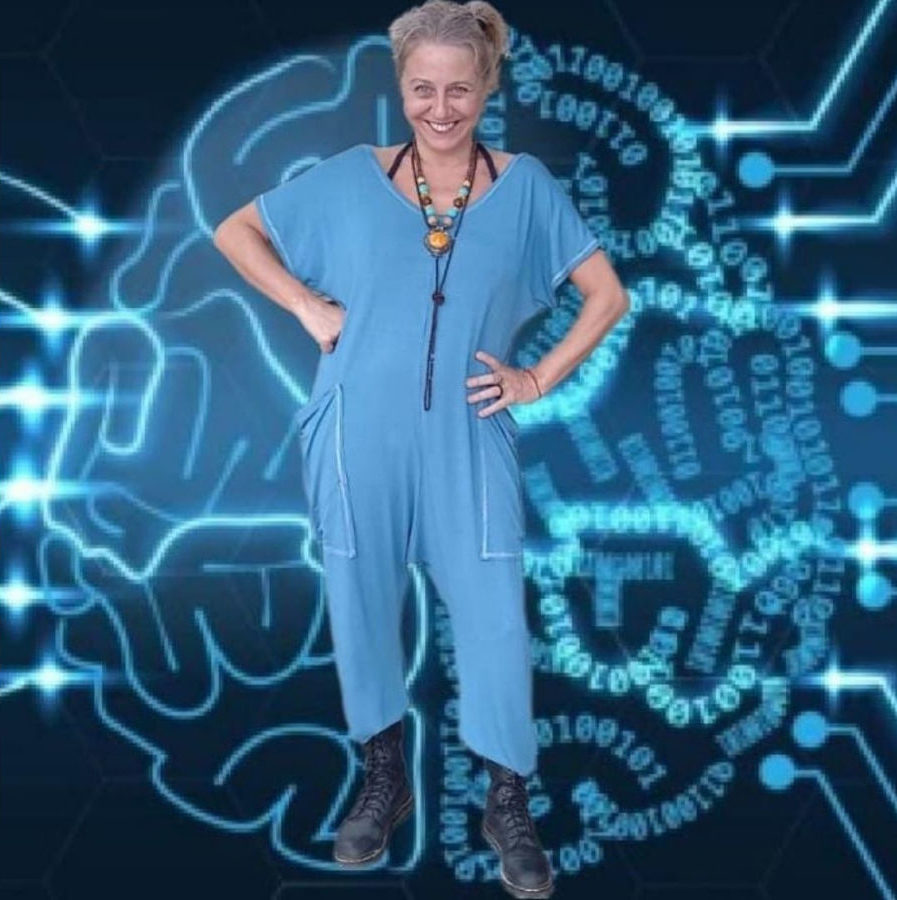
Fabiane M. Borges

Fabiane M. Borges

Clinical Psychologist, Academic Researcher and Curator of Art, Science and Technology. Master’s and Doctorate in Clinical Psychology (PUC/São Paulo), Doctoral Internship in Fine Arts (Goldsmiths University of London), Post-Doctorate in Visual Arts (UFRJ/Rio de Janeiro), Creator of SACI-E/INPE (Subjectivity, Art and Space Sciences) art program and artistic residency developed at the National Institute for Space Research/Brazil INPE/2019-2022). She is a researcher and collaborator at Núcleo Diversita/ FFLCH/USP, where she develops research on Space and Oceanic Culture, from the perspective of cultural studies and diversity. She works as group therapist and clinical psychologist, with extensive experience in immersive work, group analysis and facilitating collective processes.

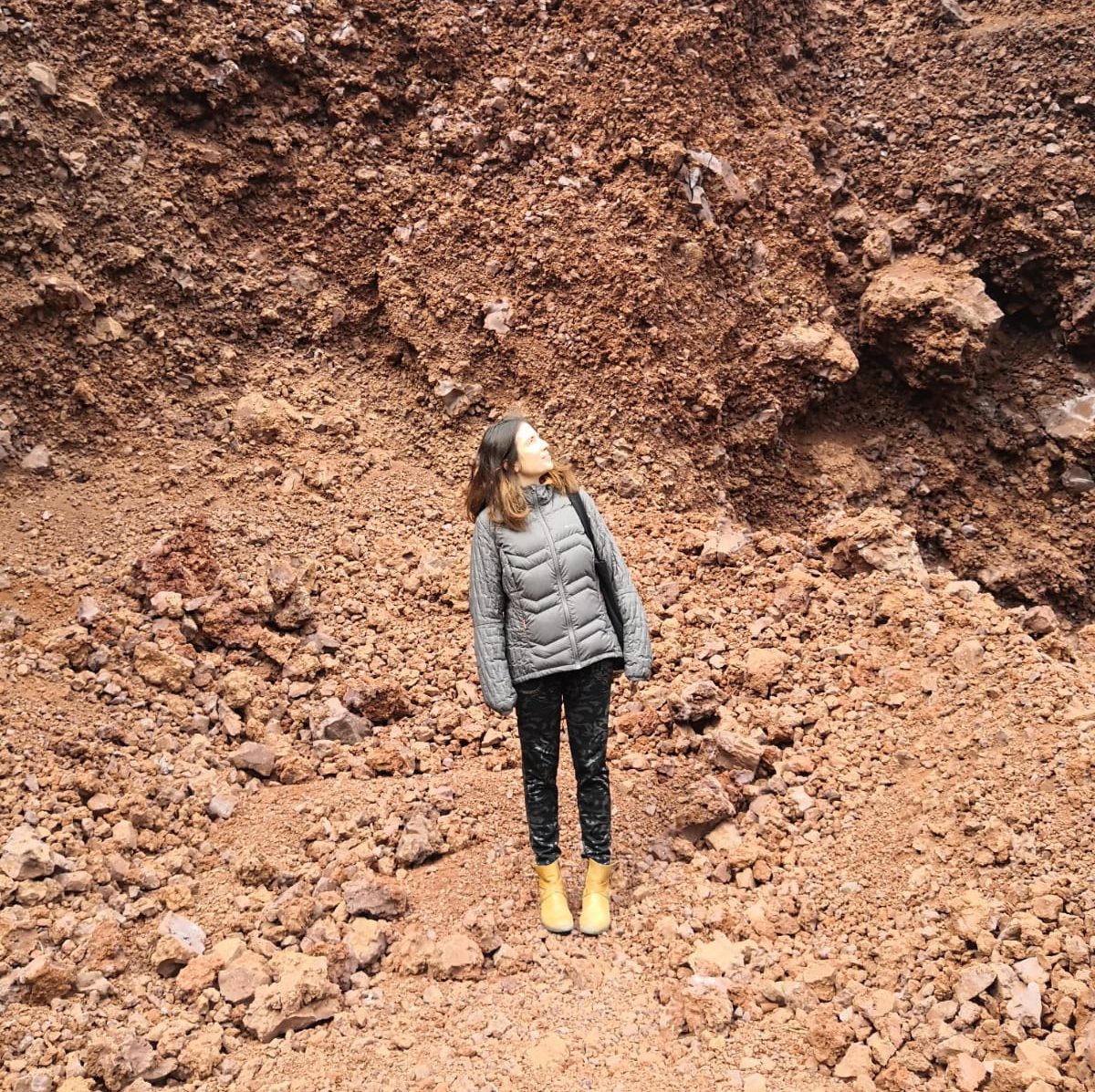
Marcela Chao

Marcela Chao

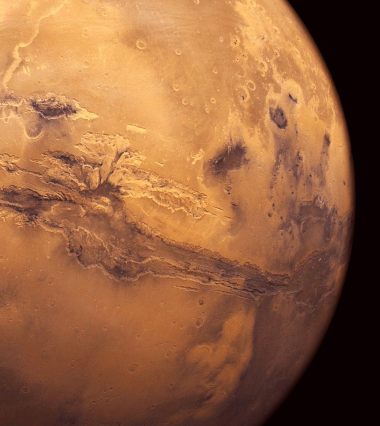
Marcela Chao Ruiz (Mexico City 1981) Psychologist by training, with a master’s degree in museology, dedicated to cultural management and curation for over fifteen years, collaborating in museums and public and private institutions, including her participation in the Festival Mexicano pavilion the 55th Venice Art Biennale, the FotoMéxico festival, the Image Center, the Hilario Galguera gallery and the SOMA contemporary art school. Eight years ago she founded Mars archive, an expanded curatorial platform that features a collaborative archive, workshops, courses and activities dedicated to multidisciplinary reflection on the way the planet Mars is conceptualized.

Mars Archive ↗

Courses, therapies & services

We offer immersion courses, individual therapy, group therapy, psychiatric care, consulting services for companies and institutions, and exclusive art, science and technology programs. Come and be part of the PSIQUE.SPACE community.
Support our work

Make a donation to PSIQUE.SPACE
Invest in our work and be part of a remarkable journey.

With your support we can reach new heights and make a lasting impact.

Join us as an investor and create a legacy that inspires future generations.

Make a donation to PSIQUE.SPACE
Acknowledgements

Acknowledgements

Contact us